
The Impact of GST on E-commerce in India
 By Pavankumar Baboori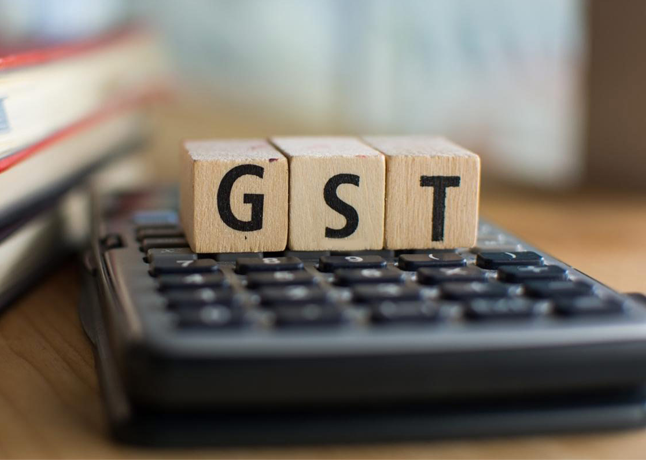

The Goods and Services Tax (GST) is a landmark tax reform that was introduced in India on 1st July 2017. The GST replaces multiple indirect taxes levied by the Central and State governments, such as Value-Added Tax (VAT), Central Sales Tax (CST), Entertainment Tax, Luxury Tax, Octroi etc.
The GST is levied at multiple rates, ranging from 5% to 28%, depending on the type of goods or services. The GST is a destination-based tax, which means that it is levied on the final consumer and not on the manufacturer or supplier.
Negative GST Effects on the e-Commerce Sector
The introduction of GST has had a significant impact on the e-commerce sector in India.
Sales Reduction
The e-commerce sector has seen a significant decline in sales since the introduction of GST. This is primarily because the GST rates for most goods and services are higher than the previous indirect taxes. For example, the GST rate for mobile phones is 18%, which is higher than the 12.5% VAT that was levied previously.
As a result, consumers are now preferring to buy goods from physical stores, where they can avail of tax exemptions on items such as clothes, footwear, and food items. This has resulted in a decline in the sales of e-commerce companies such as Amazon and Flipkart.
Increased Costs
The GST has also had a negative impact on the e-commerce sector due to the increased costs that companies are now facing. For example, the GST rate for delivery and logistics services is 18%, which is significantly higher than the 2% CST that was levied previously.
The GST has had a significant negative impact on the e-commerce sector in India. This is primarily because the GST rates for most goods and services are higher than the previous indirect taxes. As a result, consumers are now preferring to buy goods from physical stores, where they can avail of tax exemptions on items such as clothes, footwear, and food items. This has resulted in a decline in the sales of e-commerce companies such as Amazon and Flipkart.
Higher Compliance Costs
The GST has also had a negative impact on the e-commerce sector due to the increased costs that companies are now facing. For example, the GST rate for delivery and logistics services is 18%, which is significantly higher than the 2% CST that was levied previously.
The compliance costs for e-commerce companies have gone up significantly after the introduction of GST. Companies now need to register for both Central and State GST, which has resulted in an increase in administrative costs. In addition, the tax rates for most goods and services are higher under GST, which has resulted increase in the cost of doing business.
Positive Side of GST for e-Commerce Sector
Improved Foreign Direct Investment
The GST has also had a positive impact on foreign direct investment (FDI) in the e-commerce sector. The GST has eliminated the cascading of multiple indirect taxes and created a investor-friendly regime, which has made the Indian market more attractive to foreign investors.
The improved FDI inflows have led to an increase in the number of foreign players in the e-commerce sector. This is likely to benefit the consumers as they will have access to a wider range of products and services.
Reduced Tax Burden on e-Commerce Companies
The GST has also reduced the tax burden on e-commerce companies. The e-commerce sector was earlier subjected to multiple indirect taxes, such as VAT, CST, and service tax. These taxes were levied at various rates, which resulted in a high compliance cost for the companies.
Under the GST regime, the e-commerce sector is subject to a single tax (GST) at a rate of 18%. This has resulted in a reduction of the compliance cost for the companies.
The reduced compliance cost will help the e-commerce companies to become more competitive and provide better services to consumers.
Input Tax Credit
The GST has also provided an input tax credit to the e-commerce sector. This means that the companies can claim a refund of the taxes paid on the inputs used for the supply of goods and services.
This will help the companies to reduce their overall tax burden and improve their profitability.
Final Words
The GST has had a mixed impact on the e-commerce sector in India. While it has increased the compliance costs for the companies, it has also provided several benefits such as input tax credit and reduced tax burden. In the long run, these benefits are likely to help the companies to become more competitive and provide better services to consumers.




No comments yet. Be the first to comment!