
Budget 2017: Impact on Indian ecommerce & sellers
 By Editor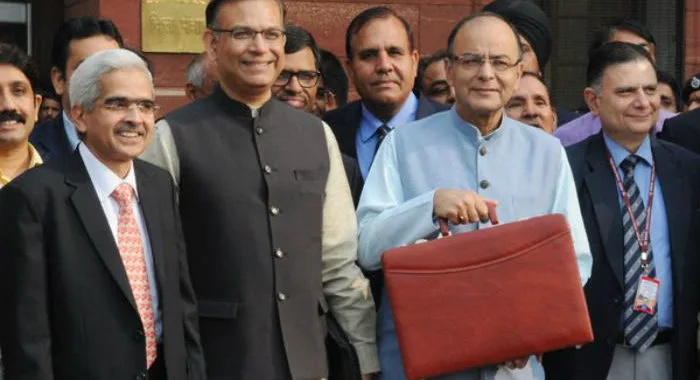
On February 1 2017, Finance Minister Arun Jaitley announced the Union Budget 2017. Many are calling it a game-changing budget and are happy about that fact it is a ‘popular budget and not a populist one’. It is being widely appreciated for being pro-people as opposed to benefitting only a specific section of the Indian society.
Below are some of the key points of Budget 2017 with respect to the Indian start-ups, ecommerce and retail industry:
Digital transactions would get a boost
Taking its anti-corruption and demonetisation drive further, the finance ministry has introduced various elements in the budget that would discourage cash transactions and encourage cashless transactions.
One of them is prohibition on cash transaction higher than Rs. 3 lakh in an effort to reduce black money. A Payment Regulatory Board would also be set up within RBI to regulate digital payments.
Demonetisation did affect the ecommerce industry negatively but the emphasis on digital payments would benefit the ecommerce industry in the long run.
According to Arun Ganapathy, CFO Spykar Lifestyle,
“Demonetisation has impacted the retail industry per se. The statement of the Finance Minister that the impact on demonetisation will not spill over to the next year is a welcome one and would augur well for the industry.”
By putting a cap of Rs. 2000 on the contribution a political party can receive, the finance ministry has also ensured that transparency is maintained when it comes to political funding.
Good news for MSMEs
The budget proposes to reduce income tax for companies with turnover of up to Rs. 50 crores to 25%. Sellers would benefit from this move as the tax burden of nearly 96% of small and medium enterprises would reduce by 5%.
“It is for sure a good day for Indian start up sector. The announcement of 5% tax exemption for companies having turnover below Rs. 50 crores will help around 96 percent of MSME’s and start ups of our country which is a big relief,” said Falguni Nayar, CEO and founder of online cosmetics store Nykaa.
Start-ups get a 7-year tax breather
When the Indian government initiated the ‘Start-up India’ scheme, its action plan stated that start-ups can enjoy 100% tax exemption for the first three years. This was later extended to 5 years. In the Budget 2017, the same has been extended to 7 years!
What do ecommerce biggies think?
The budget gets a thumps up from the big guns of ecommerce industry as well.

Amazon India’s spokesperson shares with Indian Online Seller,
“It is encouraging to note that the Finance Minister and the Government of India continue to believe that the Digital Economy will be a key enabler for modernizing India, which in turn will benefit the e-commerce sector as a whole. The Finance Minister’s callout on further liberalisation of FDI will help in attracting additional investments and create job opportunities. In addition, reduction in the Corporate Tax for MSMEs and increase in the Pradhan Mantri Mudra Yojana outlay are positive moves that can encourage SMEs to evaluate new entrepreneurial opportunities including those in the e-commerce space.”
The online and offline retail industry were hoping to get more details on GST
Lack of information about the Goods and Services Tax (GST) in the Budget 2017 has left many from the retail and ecommerce industry a little disappointed.
“It’s a growth-oriented budget with some relief for taxpayers… There were concerns that service tax would be raised to align with GST, but there was no such move… But the biggest disappointment was the lack of a clear cut road map on the date of implementation of GST,” said Santosh Dalvi, Partner (indirect tax), KPMG.
With special focus on empowering farmers, women and youth of India in this year’s budget, the finance ministry aims at building a clean economy which would enable inclusive growth and development.
Online sellers, how would you rate the Budget 2017 – happy, disappointed or average? Let us know through your comments.



No comments yet. Be the first to comment!