
‘Less cash’ India – Ecommerce helping RBI’s dream come true
 By Editor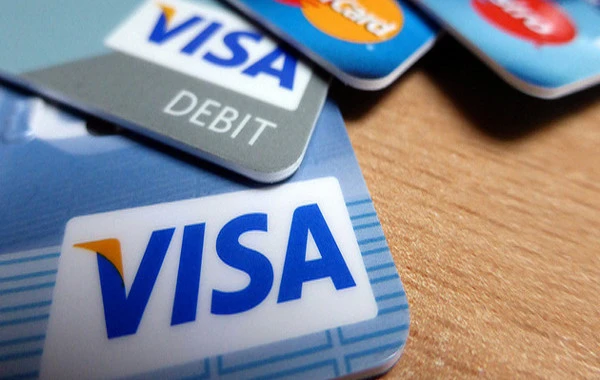

Imagine a cashless world! No, not one that works on goodwill or barter (though that would be very nice), but one that works on digital transactions alone! That’s exactly what RBI’s vision is: to proactively encourage electronic payment systems for ushering in a cashless society in India.
Despite Reserve Bank of India’s serious attempts to popularize cashless transactions across the country, more than half the total transactions are done using cheques and cash deals. But this may finally be made easier because of the advent of online shopping. Though Cash on Delivery is a popular option with buyers online, a credit/debit card transaction is also common for a number of reasons. If you were gifting someone an online purchase, you would not want them to pay for it themselves! Besides, attractive EMI schemes on big ticket purchases like electronics are applicable mostly to online transactions alone. The fact that several sites charge a bit more for Cash on Delivery helps the case further.
Just to give you some fun stats, we have a country of 1 billion. Of course, you knew that! But what you probably didn’t is that only about 19 million Indians use credit cards, as opposed to the relatively staggeringly high number of debit card users – 350 million. However, the number of electronic transactions made by credit cards stands at a disproportionate 21% compared to the 32% share of debit card transactions.
Going by market estimates, India’s online credit market is worth about Rs 6,500 crore in terms of loan value and is growing at a CAGR of 200% over 2010-13. That looks promising, considering over 2007-13, the online payments market size grew at a CAGR of 50%.
“This rapid increase can be attributed to increasing tie-ups between banks and online retail players and significant promotion of EMI options. Most of these options are cheaper than credit card or personal loan interest rates,” says Monish Shah, senior director at Deloitte in India.
A growing concern is mobile payments, which incidentally face the majority of payment interruptions and dropouts. This is a fast growing payment avenue, especially with smartphone sales slated to double up this year to almost 80 million units.Rajesh Magow, CEO, MayMyTrip.com, a travel booking site that gets a third of its user traffic from its mobile app says, “Dropouts are more on the mobile than on the desktop. This is primarily because of the two-factor authentication, as the redirection happens to a bank’s page and a lot of banks are not mobile-friendly.”
Even as ecommerce experts voice their dislike towards the rigid stance taken by the Reserve Bank on ensuring two-stage authentication, RBI believes that this stance would curb online fraud, and is aligned to their mission, “to ensure payment and settlement systems in the country are safe, efficient, interoperable, authorised, accessible, inclusive and compliant with international standards.” RBI Governer Raghuram Rajan said in support of the stance which came into play after complaints on cab-hail company Uber,” If there is a rule in the book, we don’t allow it to be violated simply because the innovation is cool.”
While one government agency is grateful to ecommerce in India for accelerating digital transactions, the Ministry of State for Commerce and Industry is a bit wary of it, lest ecommerce become an easy short-cut for Foreign Direct Investment. In the words of Nirmala Sitharaman, the Minister of State for Commerce and Industry, “There has been a lot of talk on ecommerce. We are conscious that ecommerce should not become a back door entry for multi-brand retail.” She however clarified that this in no way was an attempt to pronounce any policy on ecommerce. She went on to say that the concerns raised by retailers, consumers etc. post Flipkart’s Big Billion Day, are being looked into, but without direct investigation into any one e-retail company.


No comments yet. Be the first to comment!