
We can’t keep up with ecommerce: Kishore Biyani of Future group
 By Pooja Vishant
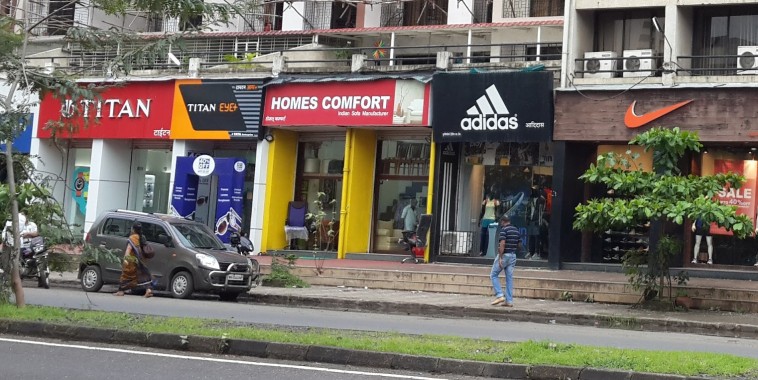
When the head of India’s biggest and most established retailers says that it is difficult to keep up with the offers given by online sites, one can only imagine how the growth of ecommerce must be affecting the smaller retailers. Kishore Biyani of Future group, one of the pioneers of the retail industry, said in an interview to Reuters, “It’s all about money. The e-commerce guys have money to experiment – I don’t have this kind of money to blow.”
So far, private investors have been pouring in billions into the ecommerce industry seeing huge potential in the sector. By utilizing these funds, giants like Flipkart and Snapdeal are able to give unbeatable discounts and deals to customers, making them the top choice in customer minds.
How are offline retailers managing?
While some of them are still wary of the online retailing concept, some are trying to get on board the ecommerce industry by tying up with well-funded sites like Flipkart and Snapdeal. So without investing in their own infrastructure, they have begun to sell online through the platforms provided by these players.
But in doing so, offline retailers become vulnerable and are sometimes overtaken by the online counterparts. The rapidly expanding middle class are turning to online shopping for their requirements.
Until now, retailers have been shielded from competition by the government. So they never had think too much in terms of securing investment for expansion. But now with the advent of online retail, retailers who hadn’t invested in technology or other means of expansion are being forced to rethink on their strategies.
Retail was opened to foreign operators
In 2012, the then Prime Minister led government had allowed foreign operators in the retail industry, according to which global players like Walmart and Tesco were allowed to have majority stakes in Indian companies. However, it was left to the state government to decide on whether to allow foreign retailers into their regions or not.
In effect, instead of India gaining from the expertise of International businesses, online marketplaces have emerged winners with everyone keen on investing in them. As recent as last month, Snapdeal received $627 million investment from Japanese giant SoftBank Corp and more from Ratan Tata himself previously.
This too, when online retailers actually don’t have expenses like commercial rents and physical store expenses. But with the funds, they are able to scale up exponentially leaving their offline counterparts nowhere in the race.
“It is exactly like what happened in telecoms,” said Harminder Sahni, managing director of Wazir Advisors. “In India, we never took landlines to every single home – mobiles came in and leapfrogged that.”


No comments yet. Be the first to comment!